

Growth · SEO & PPC

Full-service Amazon growth, done right.

Listing creation and optimization, keyword SEO, PPC management and complete account management — the growth engine behind your brand.

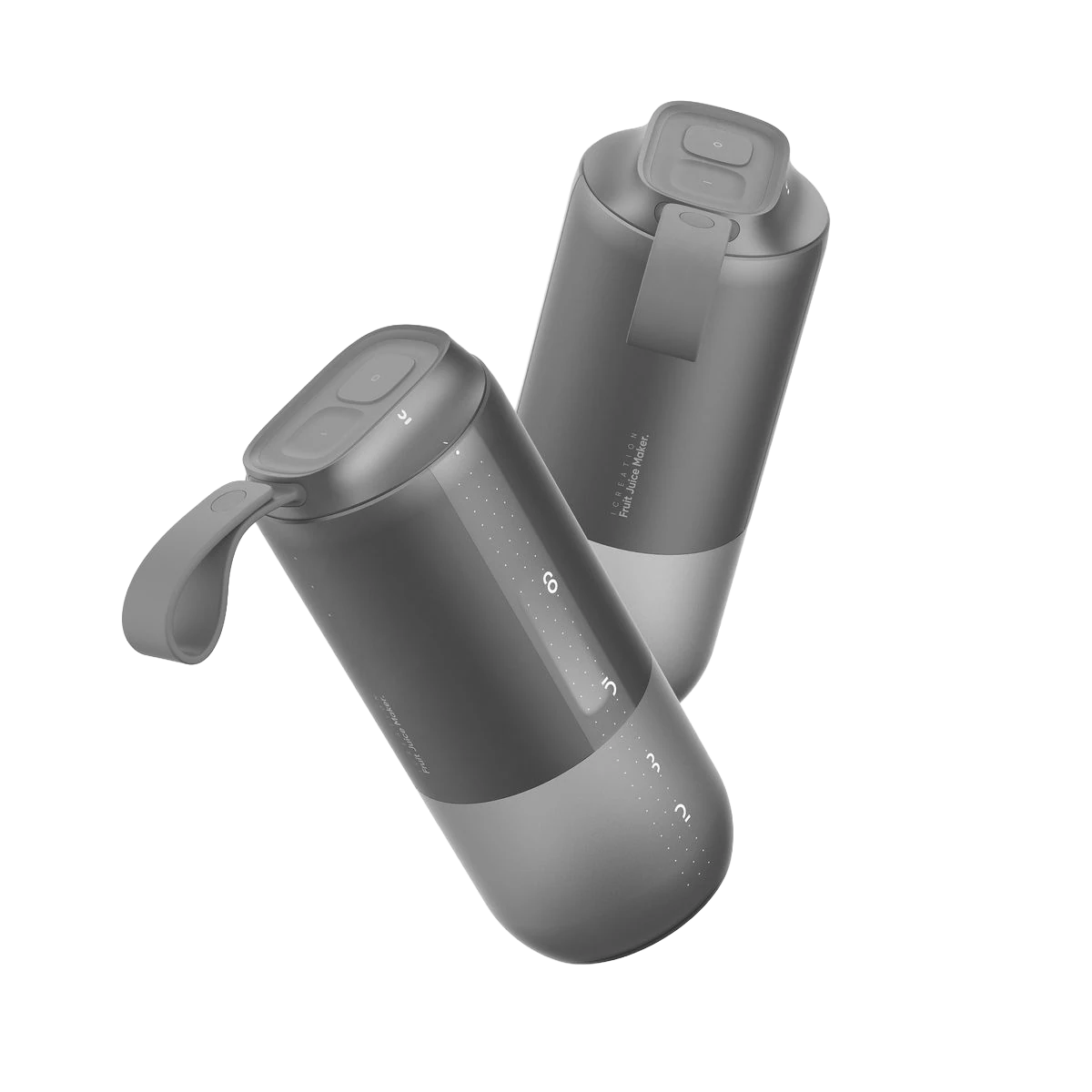
Photorealistic 3D render of a portable juice blender bottle shown from two angles
Fiverr rating5.0 · 379 reviews
The growth system

Why full-service growth beats DIY in 2026

Amazon has 750+ data fields and a ruthless algorithm — one wrong move can stall your rankings.

We manage the whole system — SEO, PPC and operations — so every lever pulls in the same direction.

1

Rank on page one

SEO across every field that matters.

2

Efficient ad spend

PPC that scales sales, not waste.

3

Backend SEO

The hidden fields most sellers miss.

4

Always-on testing

Continuous optimization and tracking.

5

Protect your account

Health monitoring and fast recovery.

6

Clear reporting

Know exactly what’s working.

How we work

A system, not one-off tasks

STEP 01

Strategy & Audit

Deep dive into your brand, competitors and market.

STEP 02

Architecture

Keyword map and listing structure for conversion.

STEP 03

Production

Copy, creative and campaigns launched by specialists.

STEP 04

Optimize & Scale

Continuous testing, tracking and budget scaling.

Everything included

What we deliver

No fluff, no surprise fees — here is exactly what lands in your inbox, polished and ready to publish.

Full listing creation & optimization
Keyword and backend SEO
PPC campaign setup and management
Account health monitoring
Weekly performance reporting
Reinstatement & issue resolution
Photorealistic 3D render of a portable juice blender bottle shown from two angles
The specialists

Your growth team

Rezaul Hayat
Rezaul Hayat
Founder & CEO
Amazon design & growth strategist
Ali Asgar Shamim
Ali Asgar Shamim
Amazon Growth Expert
SEO, PPC & account management

Ready to grow your brand?

Premium visuals, 3D video, listing growth or a new eCommerce site — let’s build your system together.

Contact us

Amazon ranks on sales, not on relevance

This is the thing that makes Amazon SEO different from every other kind, and almost every mistake follows from missing it. Google is trying to answer a question. Amazon is trying to complete a sale — so it ranks a listing on the probability that a search ends in a purchase. Relevance gets you considered; conversion history on that exact term is what actually moves you.

The consequence catches people out: ranking for a term you convert badly on makes your position worse, not better. Impressions with no orders tell Amazon the match was wrong, and the term decays. You cannot force your way onto a head keyword you have no business on — and if you buy your way there with ads, you are paying to teach the algorithm that your listing does not deserve it.

It also means the listing and the campaign are one system. A keyword strategy handed to a listing that does not convert produces expensive traffic and a worse organic position at the same time. That is why we will always push to fix the page before spending on ads for it.

Where the data actually comes from

The most reliable keyword data for your catalogue is not in any third-party tool — it is in Seller Central, it is free, and it is specific to your ASINs. Search Query Performance shows the real queries that produced impressions, clicks and purchases on your listings, with your share of each. The search-terms report from Sponsored Products shows every literal phrase a shopper typed that triggered your ad, with spend and orders against it.

Two weeks of a modest auto campaign buys real conversion data on your own products. A tool subscription buys an estimate of it. We use both, but in that order — and when they disagree, your own data wins.

We wrote the full method up in our keyword research guide, including the filter that takes a 400-row export down to the 30 terms actually worth writing to.

What we do not promise

No percentage. Not because results are not achievable, but because a number quoted without your margin, your category, your review count and your starting position is a number invented to close a meeting. Ask any agency quoting one what the baseline was, and watch what happens.

What we will tell you before you commit: whether your listing is the constraint or your traffic is, what we would change first, and roughly what it costs. If the honest answer is that your images are the problem and you do not need a growth retainer yet, that is the answer you get — it is a smaller invoice now and a better one later.

ACoS is judged the same way. There is no universal good number; a launch campaign at an alarming ACoS can be correct if it is buying rank you will keep. Campaigns get judged on total profit, with the organic share of revenue tracked alongside, because ads that quietly replace organic sales look like growth on the ad dashboard and are not.

Regular price $400.00 / week

A weekly plan across listing optimisation, Amazon SEO and advertising. Scope is agreed before the first week starts.

Questions

Frequently asked

Do you take over the Amazon account or work alongside my team?
Either. Some clients hand over account management entirely; others want us on creative and keyword strategy while their team runs the day to day. Both work. What does not work is two parties changing the same listing without telling each other.
How long before Amazon SEO changes show results?
Listing changes reindex within days, but the ranking effect follows sales velocity, which takes weeks to move. Treat anything under a month as noise, and change one variable at a time or you will not know what worked.
What is a good ACoS?
There is no universal number. It depends on your margin, whether you are launching or harvesting, and how much of your revenue is already organic. A launch campaign at an ACoS that looks alarming can be correct if it is buying rank. Judge campaigns on total profit, not on ACoS alone.
Will you fix my listing before running ads?
We will strongly recommend it. Paying for traffic to a listing that does not convert is the most expensive mistake in this business — the ad spend is wasted and the poor conversion rate damages your organic ranking at the same time.
Further reading

From the blog