

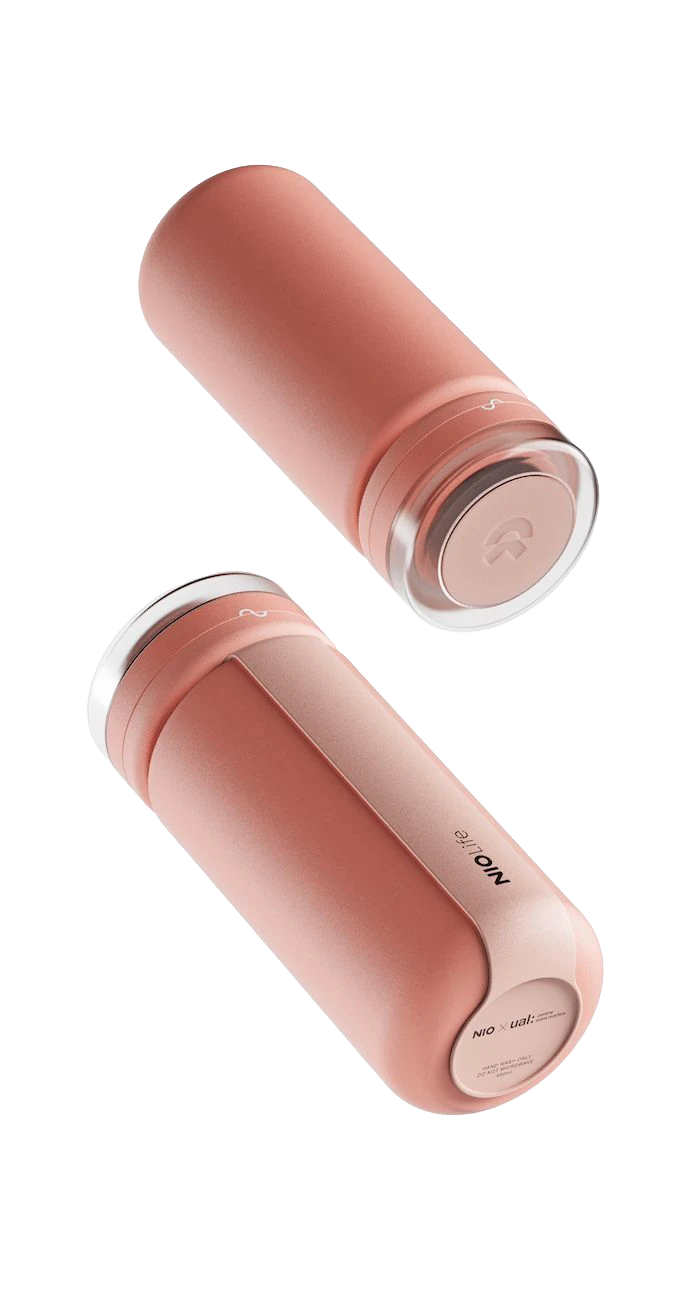

It has to work with the sound off
Almost nobody watching a listing video has the sound on. They are on a phone, in public, scrolling — so a video whose argument lives in a voiceover is a video that makes no argument at all. Everything that matters has to be carried by what is on screen: the motion itself, and captions burned in rather than left to a player that may not show them.
The same constraint sets the length. Attention on listing video falls away well before thirty seconds, so the product has to be recognisable in the first second and its main benefit clear within about five. Anything after that is for the minority still watching. Longer cuts are genuinely useful — on your Brand Store, in Sponsored Brands, on social — but they are a different edit, not the same file uploaded twice.
Why animation instead of a shoot
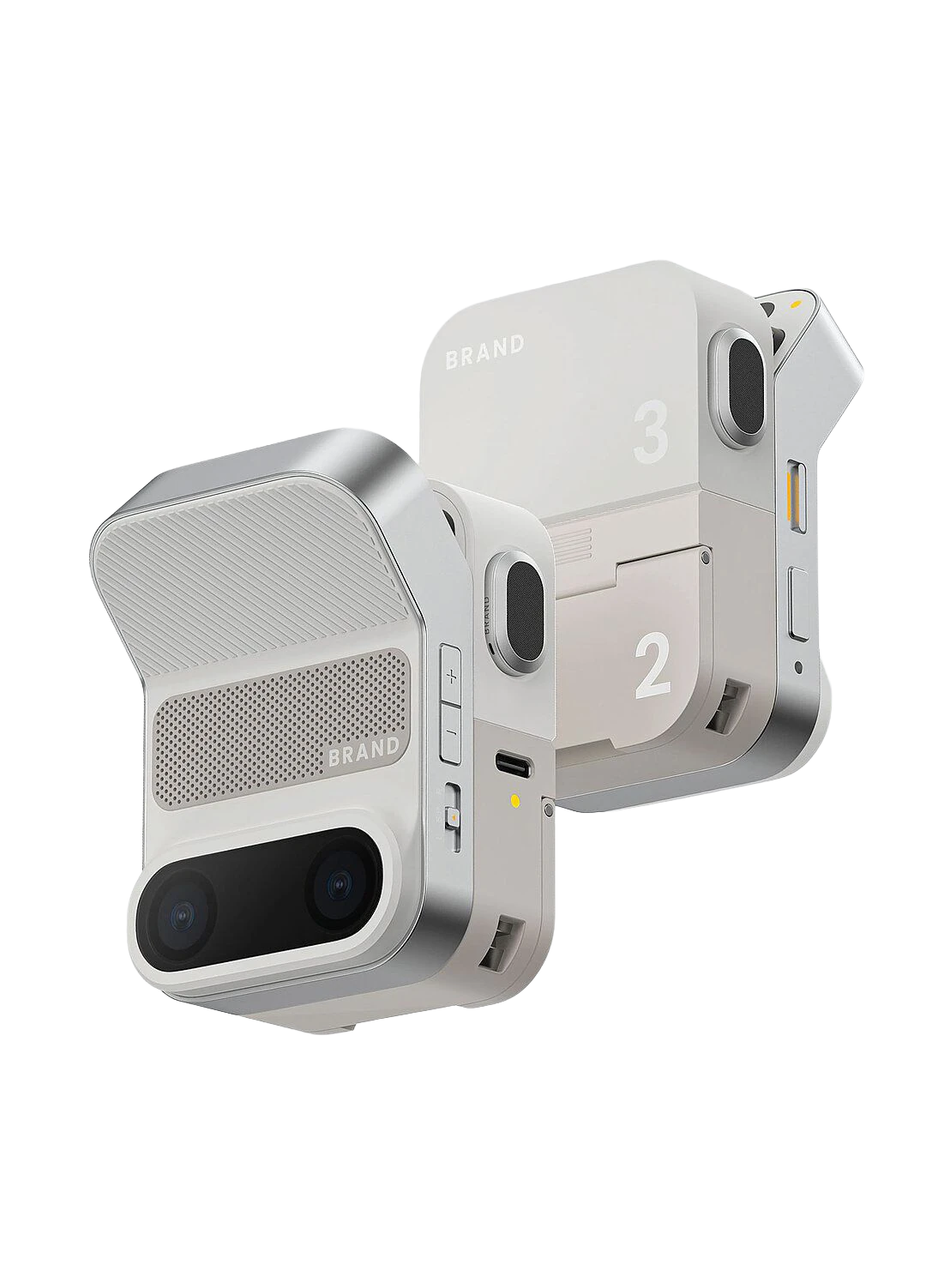
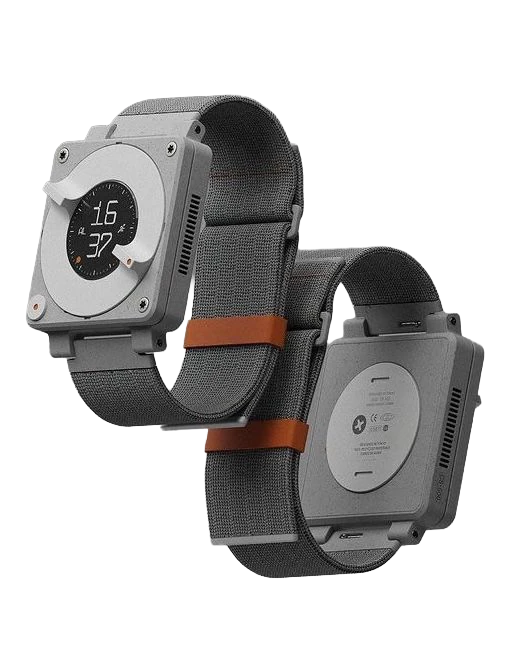
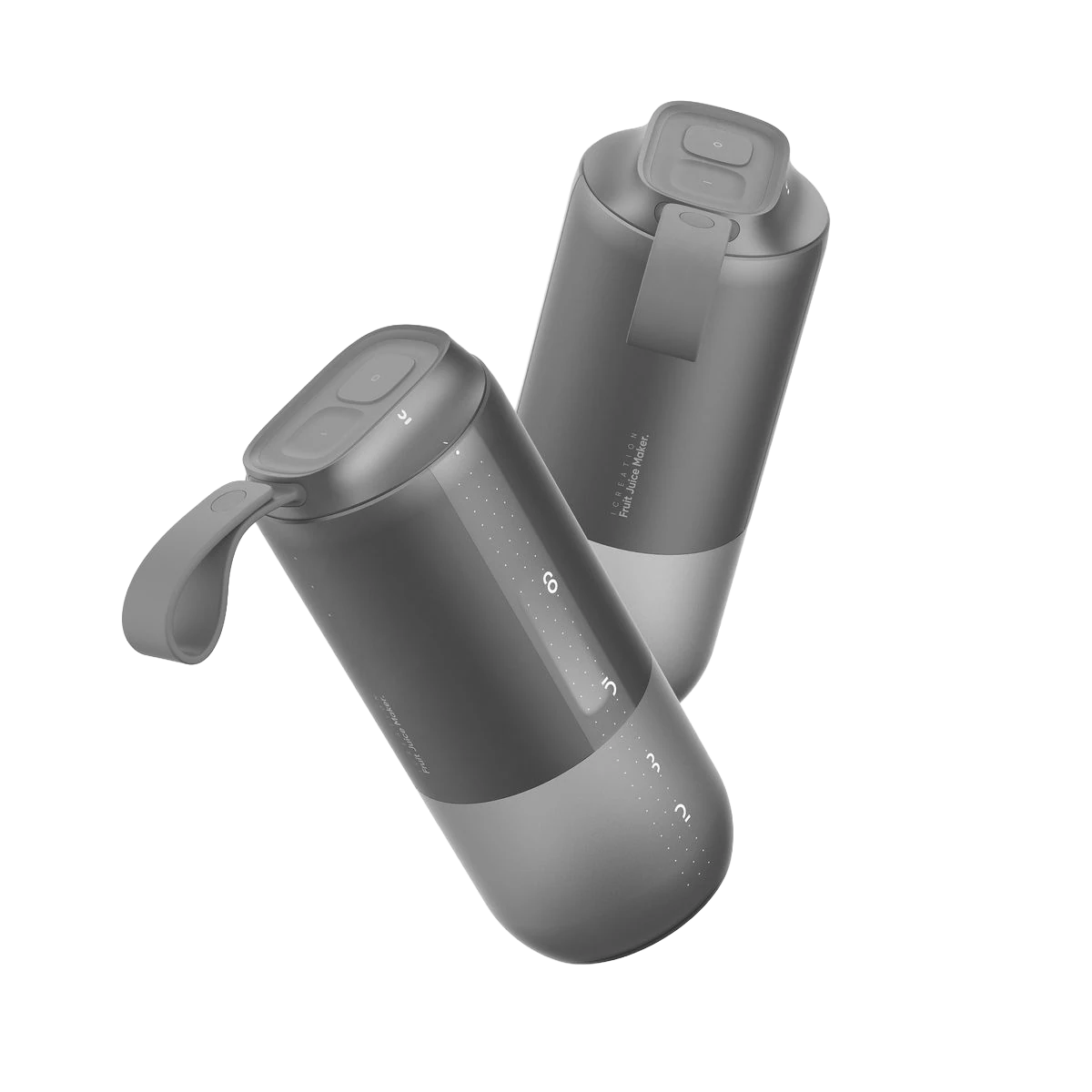
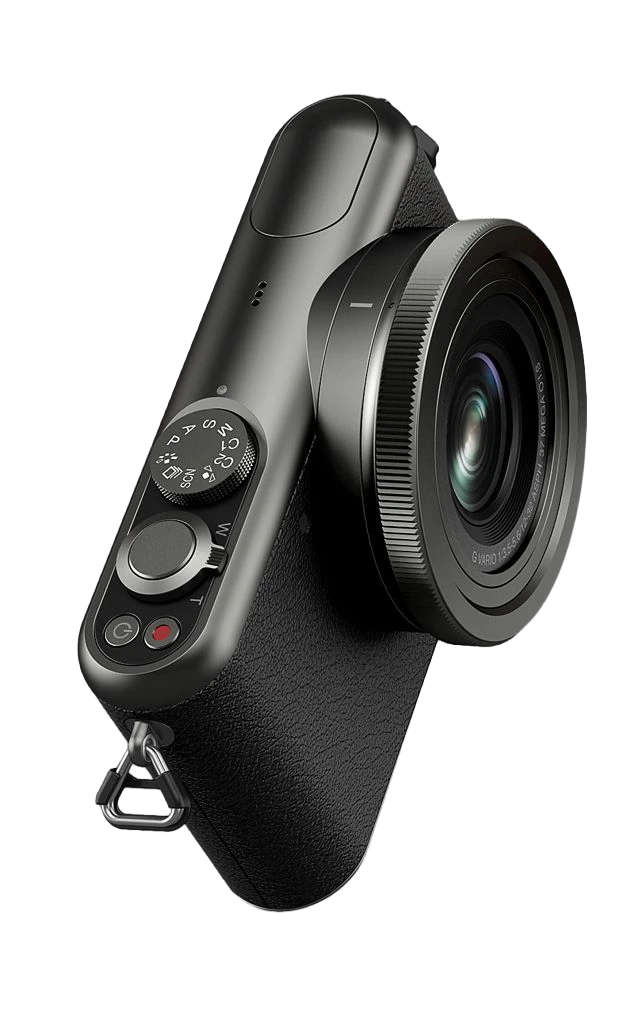
Three reasons, and only one of them is cost. The first is that you do not need the product to exist. For a pre-launch listing or a crowdfunding campaign, 3D is the only way to have finished video before you have finished units — and it is why brands come to us at the sampling stage rather than after.
The second is that a camera cannot go inside the product. Exploded views, cutaways, a mechanism moving through its range, the layers of a filter — these are the shots that answer the question actually stopping the sale, and they do not exist in the physical world to be photographed.
The third is reuse. Once the model is built, the video, the hero still, the lifestyle scenes, the A+ imagery and next season's colourway all come out of the same asset. A photoshoot gives you the frames you shot. A model gives you every frame you have not thought of yet — which is why the modelling work and the animation are usually quoted together.
Where the video goes
Uploading it to the gallery and stopping there is the common mistake. The same production should be cut for the listing gallery, the A+ module, the Brand Store, and Sponsored Brands video ads — four placements with different aspect ratios, different lengths and different audiences. The ad cut in particular is a different job: it is talking to someone who has not chosen your product yet, not someone comparing it against a shortlist.
We deliver square, vertical and landscape exports as standard for that reason, with the main-image version cut to Amazon's spec separately. If you are not sure which placements you can use, that depends on Brand Registry status and category — tell us the ASIN and we will check before quoting.