


3D · Modeling & Rendering

Photorealistic 3D that beats a photoshoot.

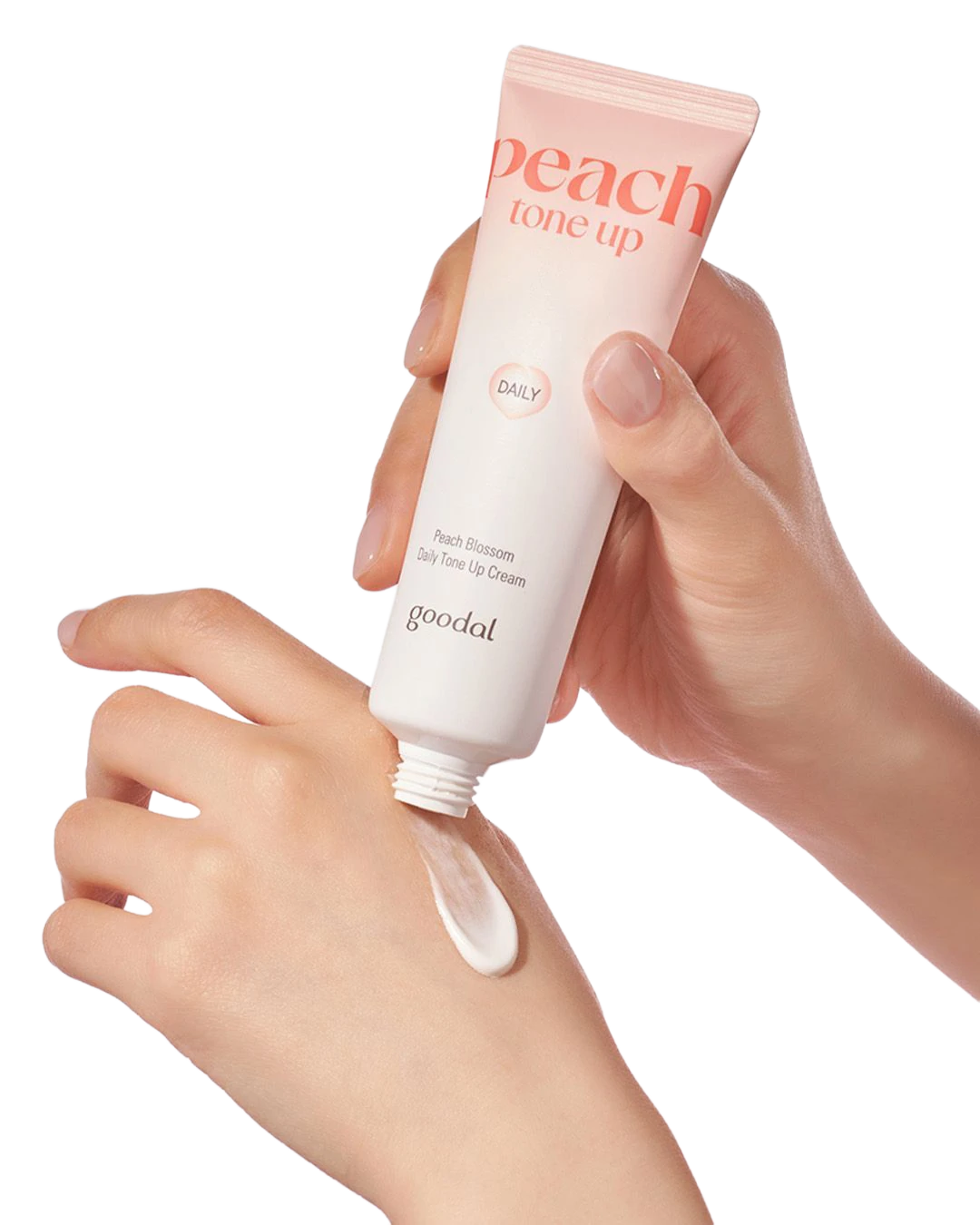
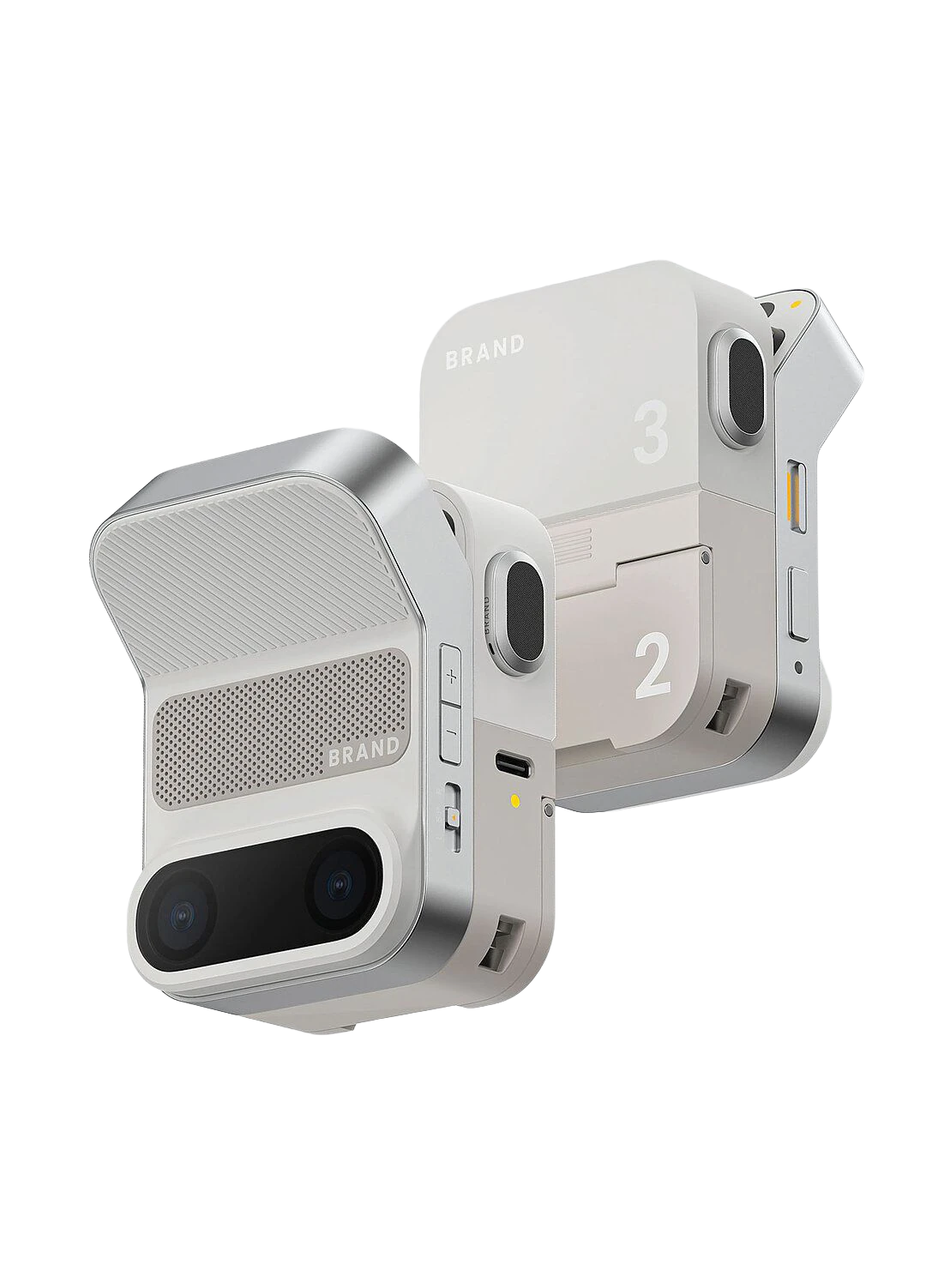
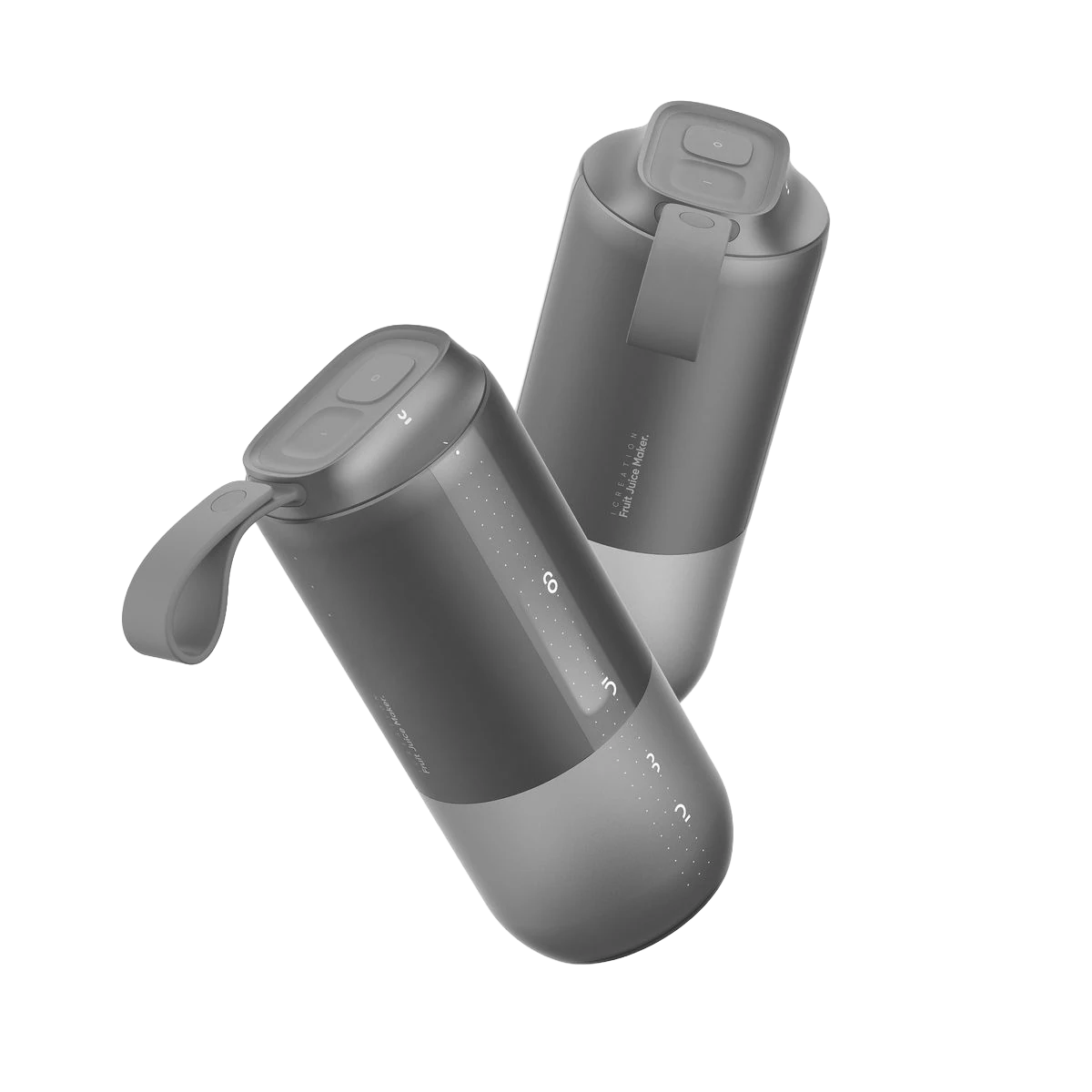
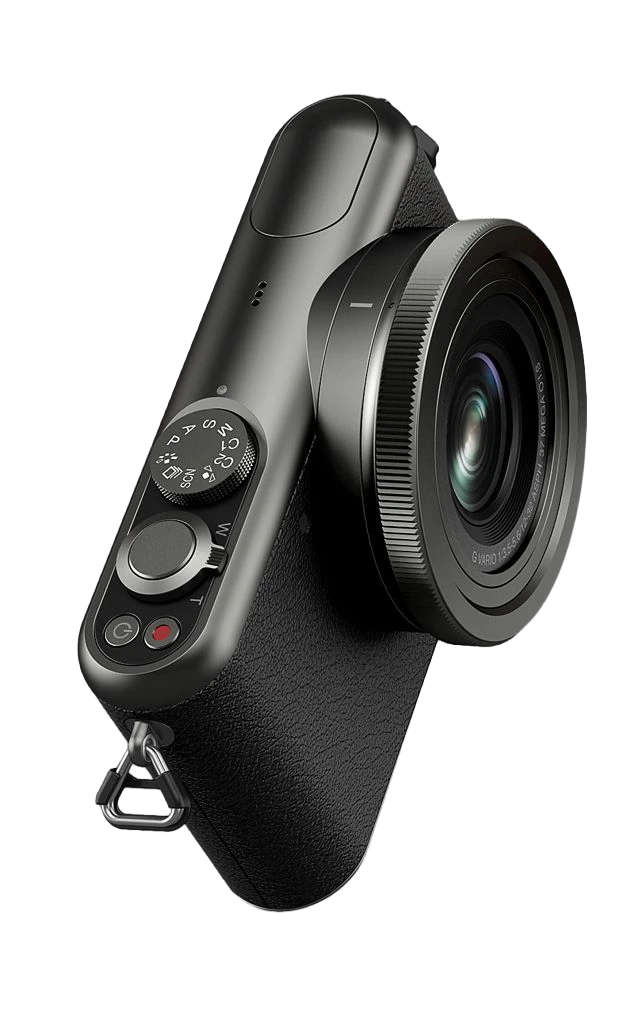
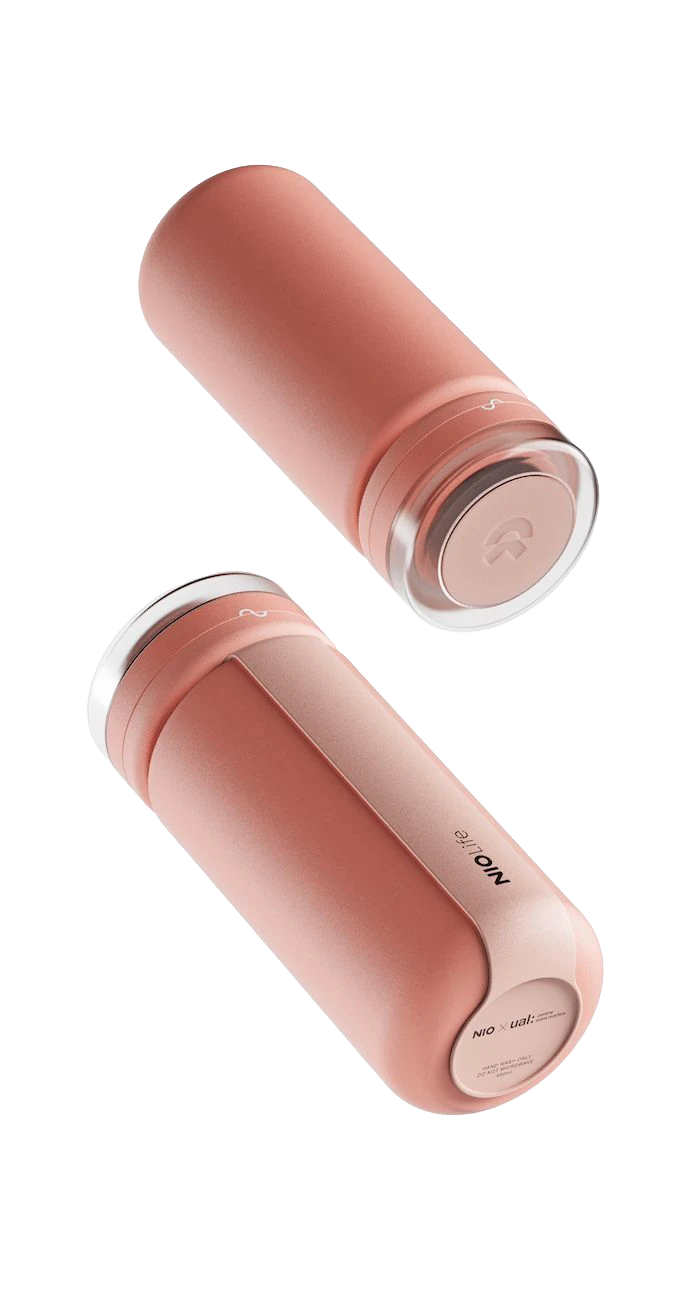
Studio-quality 3D product models and renders from any angle — perfect for hero images, infographics and A+ content, without the cost of photography.

Amazon-readyDelivered fast
Why 3D wins

Why 3D product visualization wins in 2026

3D shows your product from angles and in scenes a camera can’t capture — before it even ships.

Model once, then reuse the asset across listings, ads, A+ and your website.

1

Any angle, any scene

Views a photoshoot can’t reach.

2

No photoshoot cost

Studio-quality without the studio.

3

Cutaways & detail

Show what’s inside and why it matters.

4

Reusable assets

One model, endless outputs.

5

Photoreal materials

Accurate light, texture and reflection.

6

Consistent quality

Every render on-brand and pixel-perfect.

How we work

A clear, collaborative process

STEP 01

Brief & research

We learn your product, brand and competitors.

STEP 02

Concept

We map the angles and messages that convert.

STEP 03

Design & production

Our specialists craft every asset with care.

STEP 04

Review & deliver

Fast revisions, then upload-ready files.

Everything included

What we deliver

No fluff, no surprise fees — here is exactly what lands in your inbox, polished and ready to publish.

Photorealistic 3D product model
Hero and infographic renders
Multiple angles and exploded views
Custom scenes and materials
High-resolution print & web exports
Editable source assets
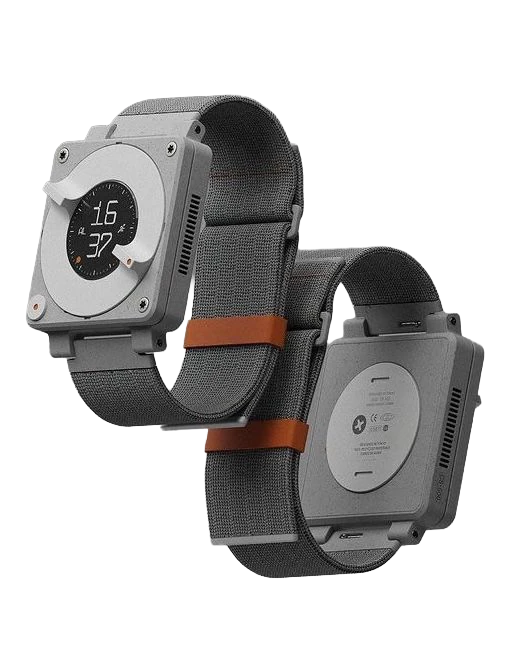
Photorealistic 3D render of a rugged smartwatch, front and back, on a fabric strap
3D Product Photography

No professional photos? We create them in 3D.

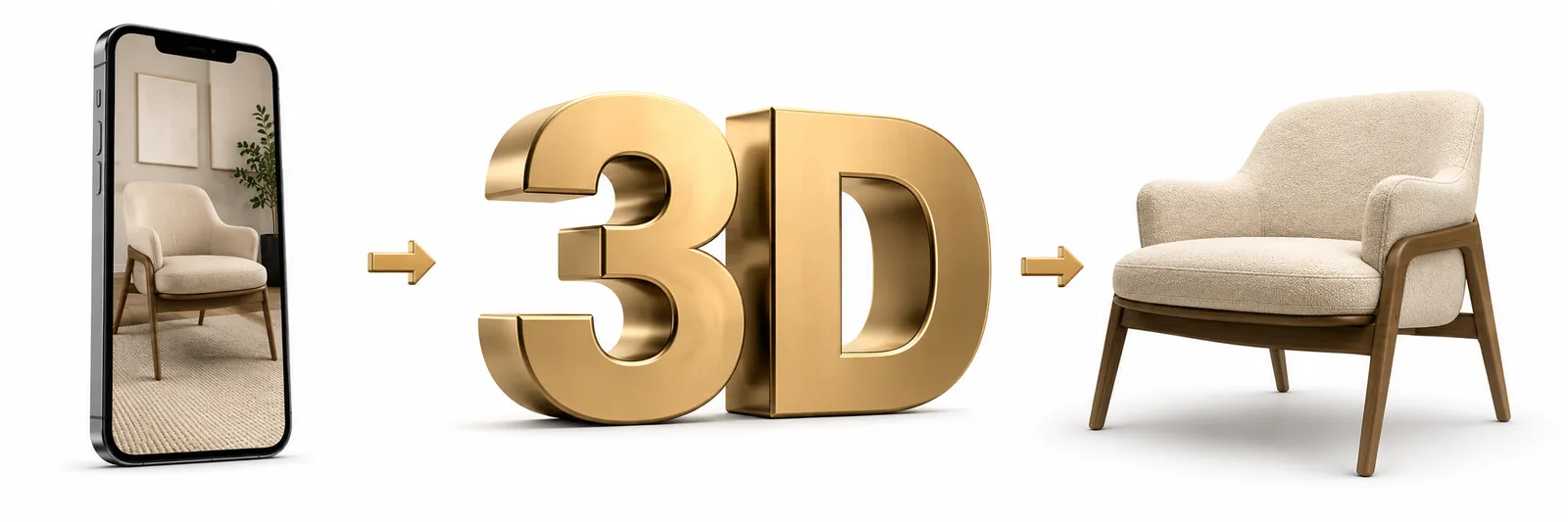
No studio product shots — or no photos at all? You do not need them. Our 3D artists model your product from scratch and render photorealistic images from any angle.

3D product photography — from concept to photoreal render
No photoshoot neededWe build your product in 3D — no camera, studio or samples required.
Any angle, any sceneHero shots, lifestyle scenes and infographics from one 3D model.
Photoreal qualityIndistinguishable from a real photoshoot — at a fraction of the cost.
Reusable everywhereOne model powers listings, A+, storefront, ads and video.
Recent renders

3D modeling portfolio

The specialists

Your 3D specialists

Akash Kumar
Akash Kumar
Amazon Visual Expert
Hero & lifestyle imagery
AH Rahi
AH Rahi
3D Artist & Motion Designer
3D modeling, rendering & video

Ready to grow your brand?

Premium visuals, 3D video, listing growth or a new eCommerce site — let’s build your system together.

Contact us

Model once, render for years

The economics of 3D are not really about the price of a render against the price of a photoshoot. They are about what you own afterwards. A shoot gives you the frames you shot. A model gives you every frame you have not thought of yet.

New colourway, new packaging, a lifestyle scene in a different room, a top-down for the size comparison, a cutaway for the A+ module, a hero at a different angle because the category's conventions moved — all of it comes out of the asset you already paid for, in hours rather than by booking a studio again. The second product in a range is cheaper still, because the materials, the lighting rig and the scene are already built.

This is why the cost comparison usually looks wrong on the first product and obvious by the fourth. If you are pricing a single hero image and nothing else, photography may well win. If you are building a catalogue, it rarely does. We compared the two properly here.

When 3D is the only option, and when it isn't

It is the only option when the product does not exist yet. Pre-launch listings, crowdfunding pages and investor decks all need finished imagery before finished units — and this is the point in a launch where brands normally come to us.

It is also the only option for shots a camera cannot take: cutaways, exploded views, a mechanism part-way through its travel, the internal layers of a filter or a mattress. Those are the images that answer the question actually stopping the sale.

Where it is not the automatic answer: fabric, food, anything whose appeal is texture and imperfection, and products where a human interacting with it is the whole message. We will say so. A render of a knitted blanket that is slightly too perfect reads as fake, and a listing that reads as fake is worse than one with ordinary photography.

What we need from you

Less than people expect. Dimensions and a spec sheet, photographs from a few angles — phone photos are fine, they are reference rather than final art — the packaging artwork or a dieline, and material notes: matte or gloss, brushed or polished, the actual colour reference if you have one.

If the product is still a drawing, CAD is ideal but not required; a dimensioned sketch works. If you already have a model from your manufacturer, send it and we will tell you honestly whether it is usable or whether rebuilding is the cheaper path. Manufacturing CAD is often technically accurate and useless for rendering, because it has no materials and geometry built for tooling rather than for a camera.

You get the renders and full commercial rights on delivery. Say so at the start if you want the model file itself as well, since that changes what we quote — and it is worth having if you expect to need video later.

Regular price $75.00 / product

Simple products from $75.00; more involved geometry $150.00 and $300.00. We tell you which band yours is before starting.

Questions

Frequently asked

Is 3D rendering allowed on Amazon listings?
Yes. Amazon's requirement is that the image accurately represents the product, not that a camera produced it. A render that flatters proportions or shows a finish you do not actually ship is a policy problem and a returns problem; an accurate one is fine.
Is 3D cheaper than a photoshoot?
It depends on variant count. One product with a few images is usually cheaper photographed. A range with several colourways and sizes is usually cheaper in 3D, because once the model exists another colourway costs a material change rather than another shoot.
What do you need to build an accurate model?
Dimensions, and a physical sample or detailed photographs of every side, plus material references. Anyone quoting 3D without asking for measurements is guessing, and it shows in the result.
Can the model be reused later?
That is most of the value. Once built, the same asset produces new angles, new colourways, packaging updates, infographics and animation — so the second project on the same product costs a fraction of the first.
Further reading

From the blog