

















Four assets, four different jobs
They get bought as one package and they are not one thing. Getting the distinction right is most of the difference between a listing that works and a listing that looks expensive.
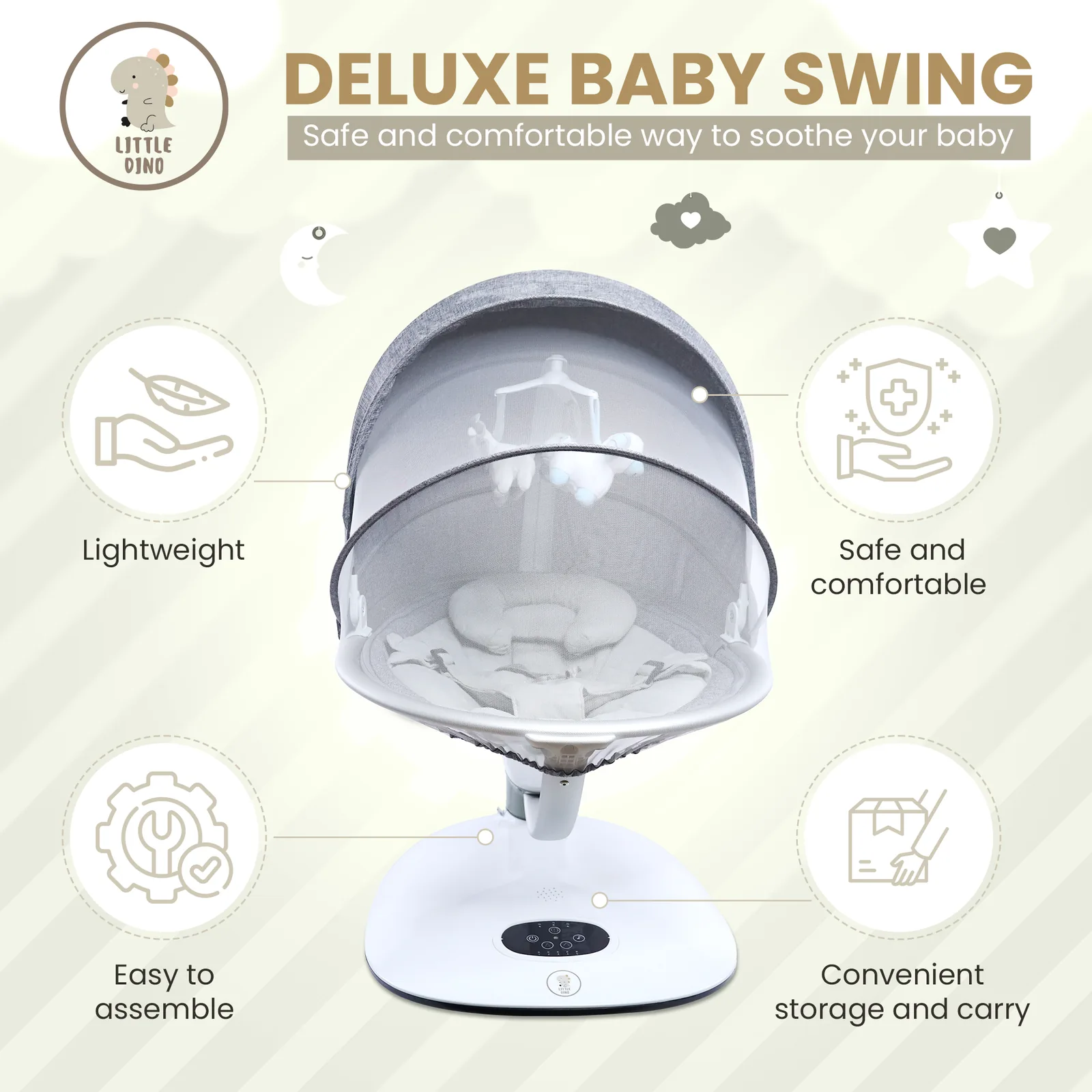
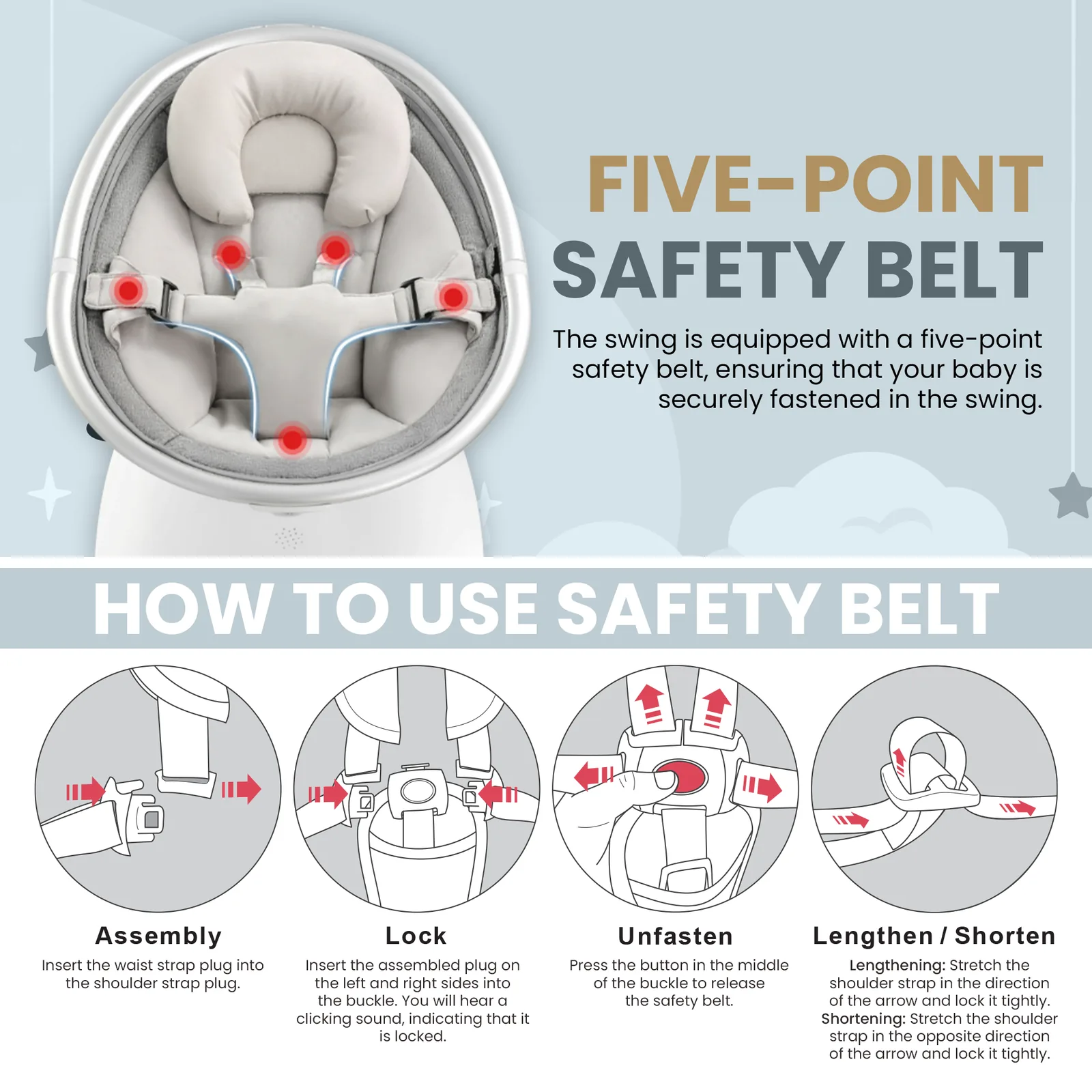
The main image has one job: earn the click out of a grid of twenty. It is judged at thumbnail size against competitors, so it competes on silhouette and clarity, not detail. The gallery takes over once they have clicked and answers objections in order. A+ content is for the shopper who is still reading — the ones closest to buying and closest to leaving. Brand Story is not about this product at all; it is the same carousel on every listing you own, arguing that there is a real company here.
The storefront sits outside the listing entirely — it is where your ads should land and where a shopper who likes one product finds the other nine.
If the budget only covers one thing
The main image, every time. It decides whether anyone sees the rest of your work at all — a perfect gallery behind a weak hero is a beautifully furnished room nobody opens the door to. Everything else in the list only helps people who have already arrived.
After that it depends on where you are losing them. High impressions and low clicks is a main-image problem. Good clicks and no orders is a gallery-and-A+ problem, and no amount of hero work fixes it. Amazon gives you both numbers in Business Reports, which is why we ask for them before quoting rather than guessing at what you need.
The full diagnosis, in the order the causes cost the most money, is in why listings get traffic but don't convert.
Why the catalogue matters more than the listing
A single well-designed listing helps that listing. A consistent visual system across forty of them changes what kind of company you appear to be — and that is the thing that lets you hold a higher price than the identical product two rows down.
It is also cheaper per listing. Once the type scale, the icon set, the colour system and the infographic layouts exist, applying them to the next product is production rather than design. Catalogues that grew listing-by-listing over three years generally look like three different brands, and unifying them is one of the higher-return projects we take on.
You keep the system either way: full commercial rights and the layered source files on delivery, so your in-house designer or your next agency can extend it. You are not renting your own brand.