






Split the pages by how the buyer thinks
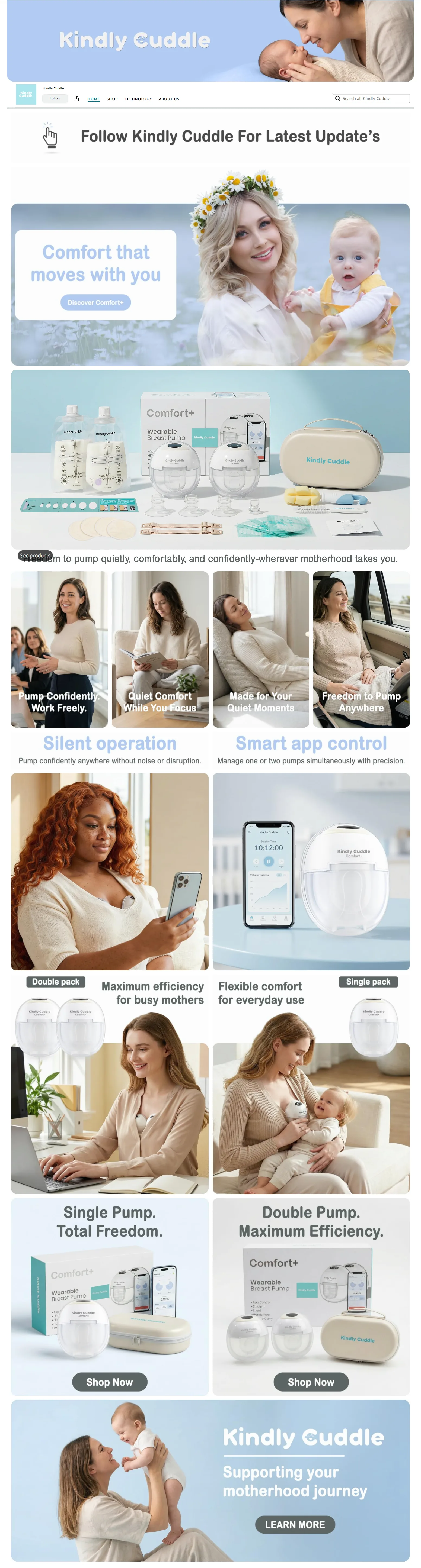
Most Brand Stores are a homepage with the entire catalogue dumped underneath. That is a shelf, and it wastes the one place on Amazon where you control the layout — the only surface where you are not competing with anyone else's listing for attention.
A store works when its pages match the question a shopper actually arrives with. Sometimes that is product type. More often it is the job they are doing, the room it goes in, the stage they are at, or who it is for. We built one for a composites supplier organised by the stage of the repair, because professionals buy in sequence rather than one item at a time — and the products they need together now sit on the same page.
The test is simple: can a visitor tell from the navigation which page is theirs, without reading any of them? If not, the split is yours rather than theirs. The full method is here.
The store is where your ads should land
Sponsored Brands can point at your Store instead of a single listing, and that changes what the ad is doing. A click that lands on one product either converts on that product or leaves. A click that lands on the right Store page can convert on any of nine — and the shopper browses your range instead of Amazon's suggestions.
This is the argument for building the store even if you are happy with your listings. It is not a brochure; it is an ad destination with a conversion rate, and it is the difference between paying for a shot at one sale and paying for entry to your whole catalogue.
It matters most for broad, category-level keywords — the terms where a shopper knows what kind of thing they want but not which one. Sending those to a single ASIN throws away most of the click.
It is measurable, which is unusual on Amazon
Store Insights reports visits, views, sales and units per page, and follows traffic by source — so unlike most Amazon creative, a Store tells you which pages work. That makes it the one asset where a redesign can be judged rather than argued about.
The numbers worth watching are page-level: which pages get visited, where people leave, and which source sends the traffic that actually buys. A page nobody opens is a navigation problem; a page everyone opens and leaves is a content problem. Those need opposite fixes, and without the data both look like "the store isn't working".
We hand over the structure and the source files, so the store stays yours to extend. Seasonal pages, a new sub-brand or a product launch should not require coming back to us — the Brand Story carousel already links into it from every listing you own.